







Podcasting
(2 products)


 In stock (1 pcs) Delivery time: 3–4 business days
External warehouse. Estimated delivery in 9–14 business days.


Read more Podcasting
Read more Podcasting
How do I get started with podcasting?<\/h2>
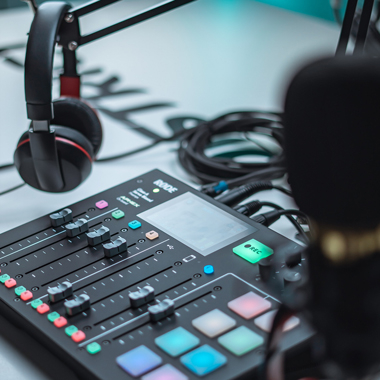
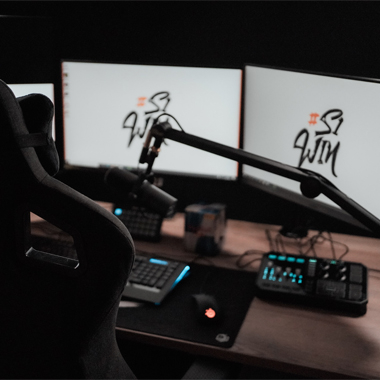
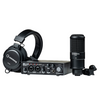
Podcasting is a fantastic way to interact with your listeners and it's easy to get started with podcasting. First and foremost, you need to use a podcast microphone with an accompanying microphone stand or arm. Additionally, you should either buy a set of speakers OR a set of headphones - all with accompanying audio cables. It may also be a good idea to have your podcast microphone in a shock mount, so that vibrations and disturbances do not occur in the recorded audio tracks.<\/p>
If you want your podcast to sound good, you need a good microphone and the right equipment. The most important thing when recording a podcast is that your voice sounds clear and crisp.<\/p>
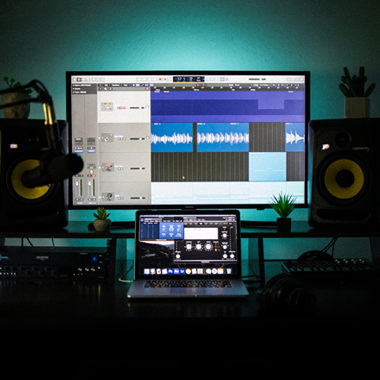
Here are the steps you can follow to start a podcast:<\/strong><\/h2>Choose a topic:<\/strong> Decide what your podcast will be about and what type of content you will include. Consider your audience and what they might be interested in.<\/p>Set up your recording equipment:<\/strong> You will need a microphone, a recording device (such as a computer or digital recorder) and editing software (such as Audacity). Choose equipment that fits your budget and needs.<\/p>Plan your episodes:<\/strong> Decide how many episodes you want to produce and how often you want to release them. Make a list of topics or themes for each episode, and plan all interviews or segments you want to include.<\/p>Record and edit your episodes:<\/strong> Use your recording equipment to capture your audio, and then use your DAW to remove any mistakes or periods where there shouldn't be pauses. Then add any music or sound effects that will be appropriate.<\/p>Write notes:<\/strong> Write a brief summary of each episode, including any links or resources mentioned in the episode.<\/p>Publish your podcast:<\/strong> There are several platforms you can use to publish and distribute your podcast, such as Apple Podcasts, Spotify, and Google Podcasts. You will need to create an account on one of these platforms and upload your episodes.<\/p>Market your podcast:<\/strong> Share your podcast on social media and other online platforms, and consider reaching out to blogs or websites that might be interested in featuring your podcast.<\/p>Creating a podcast can be a fun and rewarding project, and there are many resources available to help you get started. With a little planning and some basic equipment, you can produce and share your own podcast with the world.<\/p>
Read much more about how to start your own podcast here<\/p>
What kind of microphone do I need for podcasting?<\/h2>
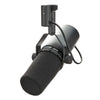
This depends on what kind of content you want to produce for your audience. If you are going to talk about literature or music, you should use a condenser microphone, which captures every little detail of your voice and makes it sound rich and full.<\/p>
But if you need to talk about technology or other topics, an electronic condenser microphone would be better because it would capture all the sounds around it as well as your voice, so it doesn't sound muffled like some other types of microphones can do when you record multiple sounds at once.
You also need speakers, headphones, and maybe even a shock mount, which helps keep the microphone in place while you use it so it doesn't move too much while in use.
Which audio interface should I look for when I want to podcast?
There are a few important things to consider when choosing the right audio interface for podcasting:
Connection: Make sure the audio interface has the connections that fit your setup. If you are using a microphone and a portable computer, you will need a USB audio interface, and if you are using a digital mixer or another external recording device, you may need a different type of connection, such as XLR or TRS.
Inputs and outputs: Consider the number of inputs and outputs you need. If you are recording a solo podcast, you only need one input, but if you are recording a conversation with multiple people, you need more. Likewise, you will need outputs for headphones and speakers to monitor your sound.
Quality: Look for an interface with high-quality preamps and converters. This will help ensure that your sound is clean and clear with minimal noise or distortion.
Ease of use: Make sure the interface is easy to use and has features that will be useful for your podcasting needs. For example, some interfaces have built-in mixers and EQ controls, which can be helpful for adjusting levels and shaping the sound of your audio.
Price: Determine your budget and look for an interface that meets your needs within this range. Remember that you may be able to find a high-quality audio interface at a more affordable price by shopping around or buying a used model.
Which studio monitors should I choose for my podcast?
When it comes to choosing the right speakers for podcasting, there is only one question you should ask yourself: Do you want to sound like an amateur?
The answer is no.
So what is the best way to avoid sounding like a noob? The answer is simple: studio monitors designed specifically for podcasting.
There are many different studio monitors that are great for podcasting, and it largely depends on your preferences and needs. Some things you might consider when choosing studio monitors for podcasting are:
Sound quality: It is important to have speakers that deliver crystal-clear sound so you can hear all the details in your podcasts. This is especially important if you plan to record interviews or have music in your podcast.
Noise isolation: If you plan to record your podcast in a small room or a place where there is a lot of background noise, it might be a good idea to choose speakers with good noise isolation so you can get a clean sound.
Size and weight: If you plan to take your studio monitors on the go, it might be a good idea to choose ones that are lightweight and portable.
Price: There are studio monitors in many different price ranges, so you can choose ones that fit within your budget.
Some popular studio monitors that can be good for podcasting include, for example, PreSonus Eris E3.5, and Yamaha HS5. It is always a good idea to read reviews and compare specifications to find the best solution for you.
The size of your studio
When choosing the right speakers for your podcast, it is important to consider the size of your studio.
If you have a small recording space, a smaller speaker will be more appropriate. It provides better sound quality and does not take up too much space. If you have a large recording area, it would be beneficial to choose a larger speaker that can fill the room with sound.
Another thing to consider is what type of material your studio is made of. For example, if it has wooden floors or concrete walls, you should ensure that the speakers are designed with something like rubber feet or rubber pads so they do not scratch or damage your studio during use.
Studio monitors designed specifically for podcasting will help ensure that your listeners get the best possible experience when they listen back to your episodes – and who wouldn’t want their listeners to come back for more
Related articles
Set up your recording equipment:<\/strong> You will need a microphone, a recording device (such as a computer or digital recorder) and editing software (such as Audacity). Choose equipment that fits your budget and needs.<\/p> Plan your episodes:<\/strong> Decide how many episodes you want to produce and how often you want to release them. Make a list of topics or themes for each episode, and plan all interviews or segments you want to include.<\/p> Record and edit your episodes:<\/strong> Use your recording equipment to capture your audio, and then use your DAW to remove any mistakes or periods where there shouldn't be pauses. Then add any music or sound effects that will be appropriate.<\/p> Write notes:<\/strong> Write a brief summary of each episode, including any links or resources mentioned in the episode.<\/p> Publish your podcast:<\/strong> There are several platforms you can use to publish and distribute your podcast, such as Apple Podcasts, Spotify, and Google Podcasts. You will need to create an account on one of these platforms and upload your episodes.<\/p> Market your podcast:<\/strong> Share your podcast on social media and other online platforms, and consider reaching out to blogs or websites that might be interested in featuring your podcast.<\/p> Creating a podcast can be a fun and rewarding project, and there are many resources available to help you get started. With a little planning and some basic equipment, you can produce and share your own podcast with the world.<\/p> Read much more about how to start your own podcast here<\/p> This depends on what kind of content you want to produce for your audience. If you are going to talk about literature or music, you should use a condenser microphone, which captures every little detail of your voice and makes it sound rich and full.<\/p> But if you need to talk about technology or other topics, an electronic condenser microphone would be better because it would capture all the sounds around it as well as your voice, so it doesn't sound muffled like some other types of microphones can do when you record multiple sounds at once. You also need speakers, headphones, and maybe even a shock mount, which helps keep the microphone in place while you use it so it doesn't move too much while in use. There are a few important things to consider when choosing the right audio interface for podcasting: Connection: Make sure the audio interface has the connections that fit your setup. If you are using a microphone and a portable computer, you will need a USB audio interface, and if you are using a digital mixer or another external recording device, you may need a different type of connection, such as XLR or TRS. Inputs and outputs: Consider the number of inputs and outputs you need. If you are recording a solo podcast, you only need one input, but if you are recording a conversation with multiple people, you need more. Likewise, you will need outputs for headphones and speakers to monitor your sound. Quality: Look for an interface with high-quality preamps and converters. This will help ensure that your sound is clean and clear with minimal noise or distortion. Ease of use: Make sure the interface is easy to use and has features that will be useful for your podcasting needs. For example, some interfaces have built-in mixers and EQ controls, which can be helpful for adjusting levels and shaping the sound of your audio. Price: Determine your budget and look for an interface that meets your needs within this range. Remember that you may be able to find a high-quality audio interface at a more affordable price by shopping around or buying a used model. When it comes to choosing the right speakers for podcasting, there is only one question you should ask yourself: Do you want to sound like an amateur? The answer is no. So what is the best way to avoid sounding like a noob? The answer is simple: studio monitors designed specifically for podcasting. There are many different studio monitors that are great for podcasting, and it largely depends on your preferences and needs. Some things you might consider when choosing studio monitors for podcasting are: Sound quality: It is important to have speakers that deliver crystal-clear sound so you can hear all the details in your podcasts. This is especially important if you plan to record interviews or have music in your podcast. Noise isolation: If you plan to record your podcast in a small room or a place where there is a lot of background noise, it might be a good idea to choose speakers with good noise isolation so you can get a clean sound. Size and weight: If you plan to take your studio monitors on the go, it might be a good idea to choose ones that are lightweight and portable. Price: There are studio monitors in many different price ranges, so you can choose ones that fit within your budget. Some popular studio monitors that can be good for podcasting include, for example, PreSonus Eris E3.5, and Yamaha HS5. It is always a good idea to read reviews and compare specifications to find the best solution for you. When choosing the right speakers for your podcast, it is important to consider the size of your studio. If you have a small recording space, a smaller speaker will be more appropriate. It provides better sound quality and does not take up too much space. If you have a large recording area, it would be beneficial to choose a larger speaker that can fill the room with sound. Another thing to consider is what type of material your studio is made of. For example, if it has wooden floors or concrete walls, you should ensure that the speakers are designed with something like rubber feet or rubber pads so they do not scratch or damage your studio during use. Studio monitors designed specifically for podcasting will help ensure that your listeners get the best possible experience when they listen back to your episodes – and who wouldn’t want their listeners to come back for more What kind of microphone do I need for podcasting?<\/h2>
Which audio interface should I look for when I want to podcast?
Which studio monitors should I choose for my podcast?
The size of your studio
Related articles